
NEWS
NEWS
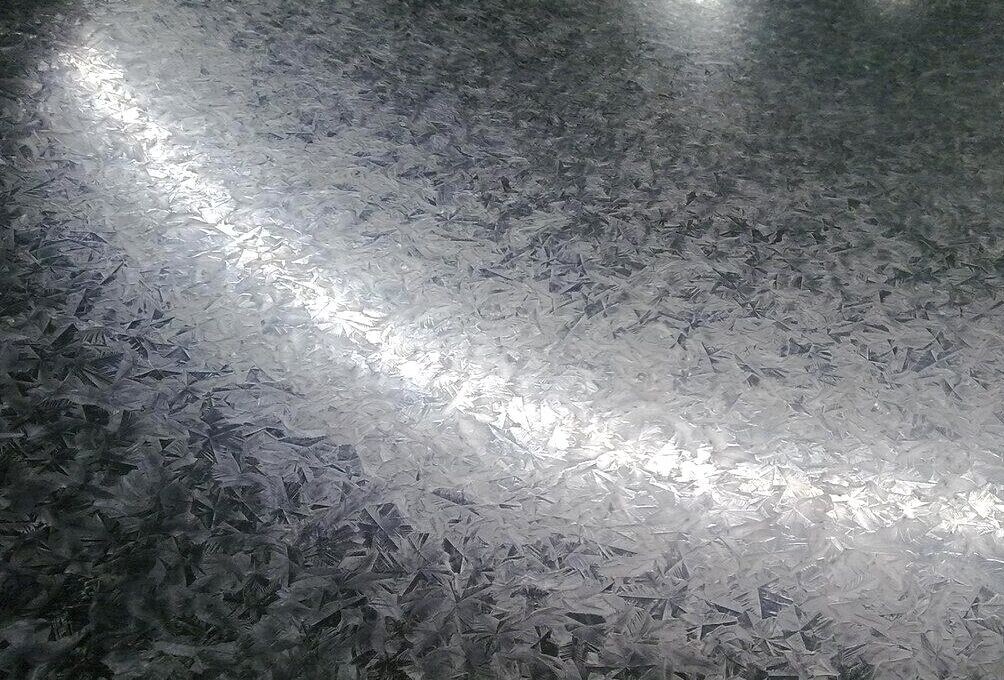
Overview of galvanizing
Galvanizing is a process that improves corrosion resistance by coating a zinc layer on the surface of a substrate. It is widely used in construction, home appliances, automobiles and other fields. Galvanizing is generally divided into two types: hot-dip galvanizing and electro-galvanizing. The corrosion resistance of hot-dip galvanizing is generally stronger than that of electro-galvanizing.
Indicators for measuring the corrosion resistance of galvanizing
(1) Zinc layer thickness
The thickness of the zinc layer is an important indicator for measuring the corrosion resistance of galvanized materials. The quality, thickness and uniformity of the zinc layer are usually used to evaluate the use effect. A thick zinc layer can better protect the substrate and improve corrosion resistance to a certain extent.
(2) Ratio of zinc to iron
During the hot-dip galvanizing process, zinc will form a mutually insoluble alloy with iron, and a zinc-iron layer will be formed on the surface of this alloy. The ratio of zinc to iron affects the stability and anti-corrosion performance of the zinc-iron layer. Generally, the ratio of zinc to iron is ≥2.0.
(3) Environmental factors
The corrosion resistance of galvanized materials is also affected by environmental factors. For example, in a seawater environment, galvanized steel corrodes quickly and requires anti-corrosion measures.
Methods to ensure the durability of galvanized materials
(1) Control processing temperature and duration
In the process of hot-dip galvanizing, the processing temperature and time will directly affect the thickness and quality of the zinc layer. Therefore, it is necessary to control the processing temperature and duration to ensure the quality of galvanized materials.
(2) Adopt new anti-corrosion technology
With the advancement of science and technology, new anti-corrosion technologies are applied in the production of galvanized materials, such as hot-dip aluminum-zinc alloy plating process, high-level anti-corrosion coating, etc., which can improve the service life and corrosion resistance of galvanized materials.
(3) Reasonable maintenance measures
When using galvanized materials, some reasonable maintenance measures need to be taken, such as regular application of protective coatings, avoidance of hammering, chemical corrosion, etc. These measures are beneficial to extending the service life of galvanized materials.
In conclusion
The corrosion resistance of galvanized materials is an important indicator of their service life and quality. By controlling the thickness of the zinc layer, adopting new anti-corrosion technologies and reasonable maintenance measures, the durability of galvanized materials can be further improved.
RECENT NEWS
- Jun 10, 2026Nucor Raises Hot-Rolled Coil Price to $1,115/Tonne
- Jun 02, 2026Steel Slab Prices Rise $5–20 in May | Regional Market Trends
- May 25, 2026Germany Steel Production Rises 9.5% Y/Y in April 2026
- May 15, 2026Nippon Steel increased steel production by 27.5% y/y in the FY2025/2026
- May 08, 2026The US will impose 25% tariffs on cars if the EU does not approve the trade agreement
- Apr 17, 2026The United Kingdom is entering into exclusive negotiations regarding the sale of Liberty’s former assets
- Apr 09, 2026Australia Boosts Iron Ore Exports by 14% in March 2026
- Mar 31, 2026Iran Loses Steel Production Capacity Amid Middle East Conflict
- Mar 23, 2026European Gas Prices Surge Amid Middle East Conflict
- Mar 13, 2026Nucor Raises Hot-Rolled Coil Price to $1,010 per Ton in the US
- Mar 05, 2026Nucor raised the price of hot-rolled coil to $1,005/ton
- Feb 26, 2026The EU expects the US to lower tariffs on steel and aluminum products


Leave A Message
If you are interested in our products and want to know more details, please leave a message here, we will reply you as soon as we can.