
NEWS
NEWS
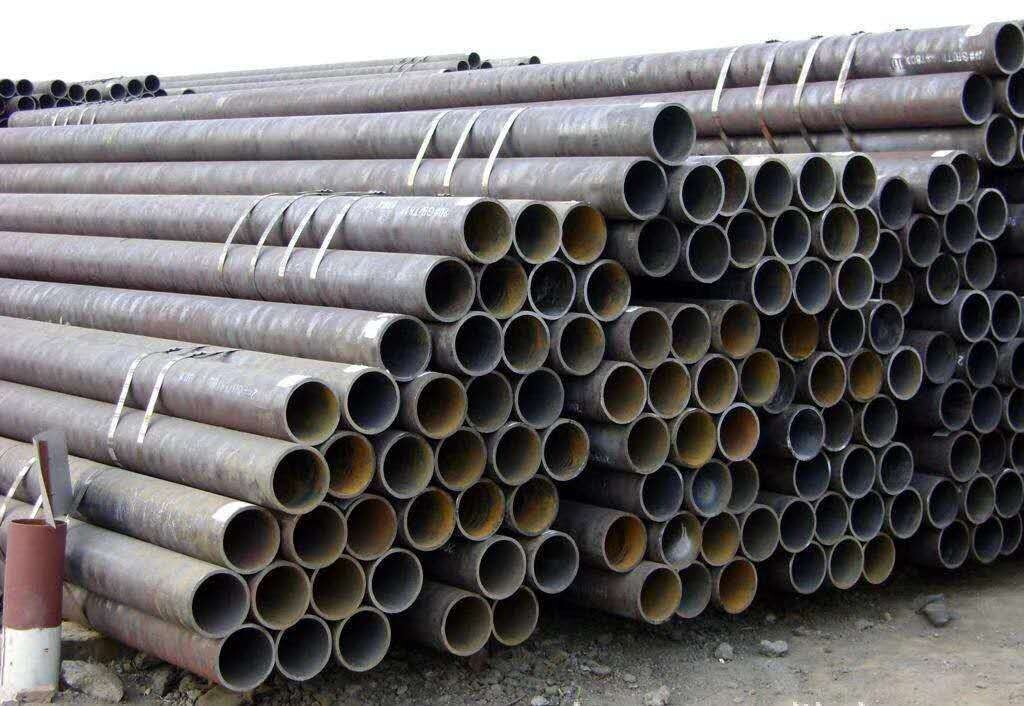
Carbon steel pipe classification and application
Carbon steel pipes occupy an important position in the steel industry. They are classified into various categories and have a wide range of applications. The following is a detailed explanation of the classification and application of carbon steel pipes:
1. Classification of carbon steel pipes
Classified by production process
Hot-rolled carbon steel pipes: Hot-rolled carbon steel pipes include general steel pipes, low and medium pressure boiler steel pipes, high-pressure boiler steel pipes, alloy steel pipes, stainless steel pipes, petroleum cracking pipes, geological steel pipes and other types. The outer diameter of hot-rolled seamless pipes is generally greater than 32mm, and the wall thickness is between 2.5-75mm. Hot-rolled steel pipes are delivered in a hot-rolled or heat-treated state.
Cold-rolled (drawn) carbon steel pipes: In addition to some types of hot-rolled carbon steel pipes, cold-rolled (drawn) carbon steel pipes also include carbon thin-walled steel pipes, alloy thin-walled steel pipes, stainless thin-walled steel pipes, special-shaped steel pipes, etc. The outer diameter of cold-rolled seamless steel pipes can reach 6mm and the wall thickness can reach 0.25mm. The outer diameter of thin-walled pipes can reach 5mm and the wall thickness is less than 0.25mm. Cold rolling has higher dimensional accuracy than hot rolling and is delivered in a heat-treated state.
Classification by steel pipe shape
Seamless steel pipe: a steel pipe made of a single piece of metal with no seams on the surface. Commonly used are hot-rolled seamless steel pipes and cold-drawn (rolled) seamless steel pipes.
Straight seam steel pipe: A steel pipe with a weld seam parallel to the longitudinal direction of the steel pipe. It is usually made of coiled plates or steel plates by forming and welding.
Spiral steel pipe: a steel pipe with welds distributed in a spiral shape, made of spiral coiled plates through forming and welding.
High-frequency welded steel pipe: Steel pipe made by high-frequency welding process, often used for fluid transportation and structural support.
Classification by material
Common carbon steel pipe materials include Q235 carbon structural steel pipe, Q345 low alloy steel pipe, 20# carbon steel pipe, 45# carbon steel pipe, 16Mn alloy steel pipe, etc. Each material is suitable for different application scenarios due to its different chemical composition and mechanical properties.
2. Application of carbon steel pipes
Carbon steel pipes are widely used in construction, machinery manufacturing, petroleum, chemical industry and other fields due to their excellent mechanical properties and wide applicability.
Construction industry: Carbon steel pipes are used in building structural supports, pipeline systems (such as water supply and drainage pipes, HVAC pipes), support structures of bridges and tunnels, etc.
Machinery manufacturing: used to manufacture various mechanical parts, such as bearings, gears, transmission shafts, etc., as well as stressed parts of vehicles such as automobiles and tractors.
Petroleum and chemical industry: As the main material for high-pressure pipelines, fluid transportation pipelines and chemical equipment, carbon steel pipes can withstand the erosion of high temperature, high pressure and corrosive media.
Other fields:Carbon steel pipes are also used in railways, vehicles, ships and various machinery manufacturing industries, such as manufacturing hydraulic props, precision tubes, etc.
To sum up, carbon steel pipes have an irreplaceable position in the steel industry due to their diverse classifications and wide range of applications. When choosing carbon steel pipes, you need to choose the appropriate material and type according to the specific use environment and requirements.
RECENT NEWS
- Jun 10, 2026Nucor Raises Hot-Rolled Coil Price to $1,115/Tonne
- Jun 02, 2026Steel Slab Prices Rise $5–20 in May | Regional Market Trends
- May 25, 2026Germany Steel Production Rises 9.5% Y/Y in April 2026
- May 15, 2026Nippon Steel increased steel production by 27.5% y/y in the FY2025/2026
- May 08, 2026The US will impose 25% tariffs on cars if the EU does not approve the trade agreement
- Apr 17, 2026The United Kingdom is entering into exclusive negotiations regarding the sale of Liberty’s former assets
- Apr 09, 2026Australia Boosts Iron Ore Exports by 14% in March 2026
- Mar 31, 2026Iran Loses Steel Production Capacity Amid Middle East Conflict
- Mar 23, 2026European Gas Prices Surge Amid Middle East Conflict
- Mar 13, 2026Nucor Raises Hot-Rolled Coil Price to $1,010 per Ton in the US
- Mar 05, 2026Nucor raised the price of hot-rolled coil to $1,005/ton
- Feb 26, 2026The EU expects the US to lower tariffs on steel and aluminum products


Leave A Message
If you are interested in our products and want to know more details, please leave a message here, we will reply you as soon as we can.